How to Reach the Right Audience with Your Content

Whenever I speak with people in the marketing industry, the conversation inevitably turns to marketing sooner or later.
One topic comes up surprisingly often: content marketing.
For people who work in content marketing, publishing a piece of content: a post, a blog or a video, never guarantees it will hit the mark you were hoping for. If a post goes out and barely gets any engagement, without bringing in new customers right away, it can sometimes be taken as a sign that the content marketing strategy simply isn't working.
Working at We Do Dev Work has opened my eyes to a different way of thinking about it, though I'm still learning
Here, content isn't treated as an extra task or something you squeeze in on a Friday afternoon. It's simply part of how we build the company. We write about projects we've completed, technical challenges we've solved, discussions we have internally, life in the office and sometimes even mistakes we've made along the way. Not because we feel pressured to publish every day, but because we genuinely believe that if you consistently share useful knowledge and show people how you think, the right audience will eventually find you.
That doesn't mean everything works. Far from it.
Some articles take days to write and quietly disappear. Other posts unexpectedly start conversations with potential clients. Sometimes a carefully prepared blog receives less attention than a photo taken during lunch. At first that felt random, until I realised there usually was a perfectly logical explanation.
Good content isn't just about writing well, designing a nice graphic or publishing more often.
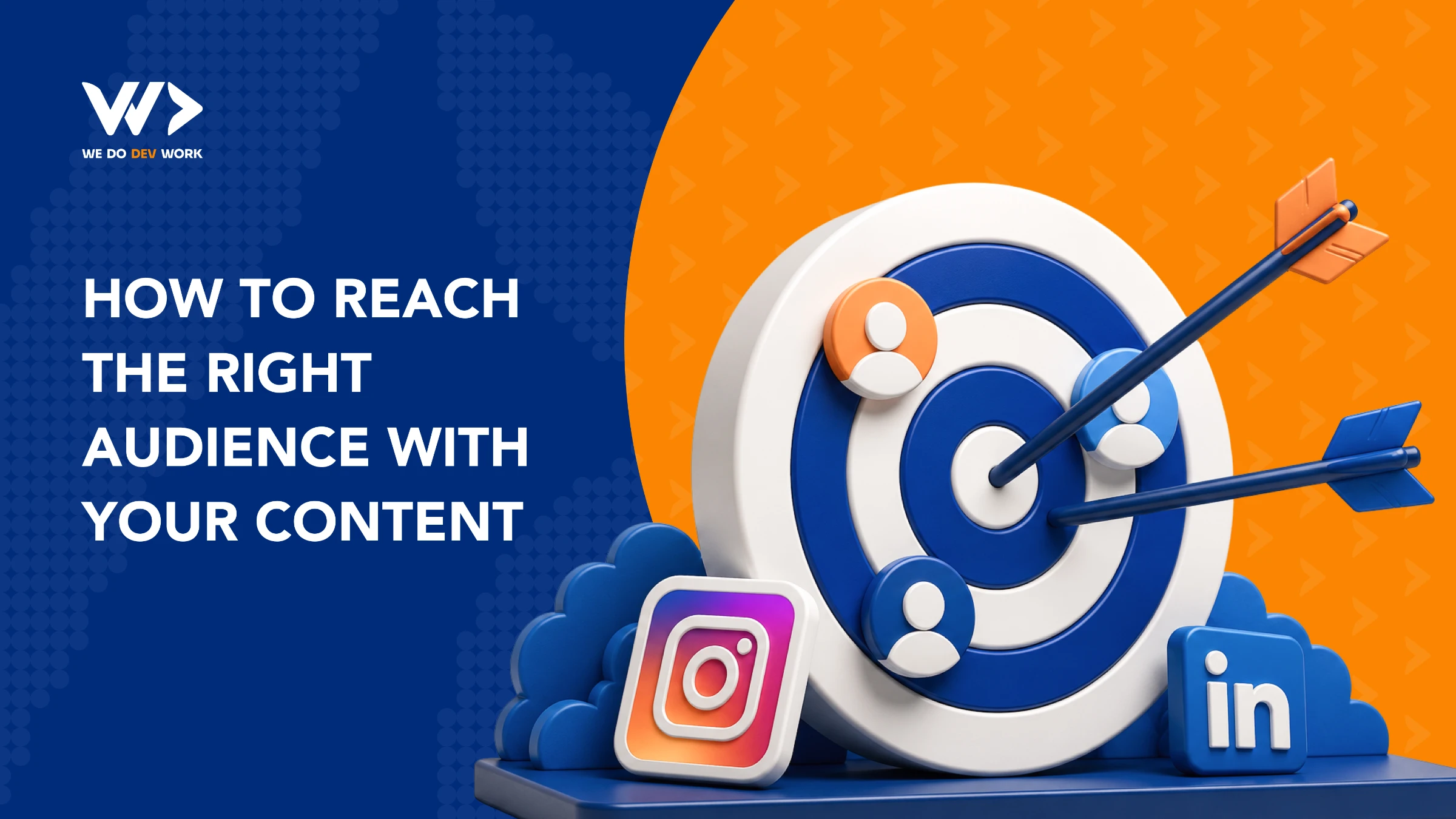
Most content fails because it reaches the wrong target, on the wrong platform, at the wrong moment.
Once you start looking at content that way, many of the things people blame on "the algorithm" suddenly become a lot easier to understand.
The same person isn't the same audience
One of the biggest mistakes I see companies make is assuming that because they're talking about the same company, the same product or the same announcement, they should publish exactly the same content everywhere. Resize the image, change the aspect ratio, copy the caption, click "Publish" and you're done.
It's efficient.
It also ignores one very important detail: people don't open every platform for the same reason.
Think about yourself for a moment. In the evening you're scrolling Instagram while watching Netflix, half paying attention to both, looking for entertainment, inspiration or simply a way to switch off after work. The next morning you're waiting for your first coffee, opening LinkedIn to see what's happening in your industry, whether an interesting company shared something new or perhaps because you're quietly considering your next career move.
You're exactly the same person, but your mindset is completely different.
That's why platform-specific content isn't really about the platform itself. It's about understanding why somebody opened that app in the first place.
We saw exactly the same thing ourselves
A nice example was when we welcomed Charlotte to the team.
The announcement itself didn't change. Charlotte joined the company on the same day regardless of whether someone followed us on Instagram or LinkedIn.
What changed was the story we told around it.
On Instagram Charlotte was introduced through a video introduction and a simple question asking her to choose between two things, providing a brief overview. The objective wasn't to generate leads; it was to let people get to know us.
On LinkedIn we told exactly the same story from a business perspective. We explained why we were growing, what that meant for our clients and how expanding the team helps us deliver projects.
Same announcement, different audience, different objective.
The result was exactly what you'd expect once you think about it that way. The Instagram post reached almost three times as many people as our average post, while the LinkedIn version generated conversations with potential clients and attracted highly qualified job applicants.
If we'd simply copied the Instagram post to LinkedIn because it was quicker, I honestly don't think either platform would have delivered the same result.
Start with the audience, not the content
I think many companies accidentally ask the wrong question.
"What should we post this week?"
It's a logical question, but probably not the right one.
A better starting point is asking who you're trying to reach and, perhaps even more importantly, what that person is actually doing when they open that platform.
Someone browsing Instagram probably isn't looking for a detailed explanation of your software architecture, just like very few people open LinkedIn hoping to find holiday photos or another dancing trend.
The message you're trying to communicate can remain rather similar, the way you tell it shouldn't.
Timing matters too
The same principle applies to timing.
People don't use every platform at the same moment of the day or with the same level of attention. LinkedIn tends to perform best during working hours, while Instagram often comes alive in the evenings or during weekends.
Publishing everything at exactly the same time because it's convenient for your marketing team is optimising for your own schedule, not for your audience's behaviour. Sometimes moving a post by a few hours has a bigger impact than spending another hour polishing the caption.
Measure what the platform is supposed to do
Another lesson I've learned is that not every platform deserves to be judged by the same numbers.
An Instagram post with thousands of views may create brand awareness without generating a single enquiry.
A LinkedIn article that only reaches a few hundred people might result in a conversation with exactly the type of client you've been hoping to work with.
Neither outcome is better than the other.
They're simply trying to achieve different things.
The mistake is expecting every platform to deliver the same result.
Authenticity beats perfection more often than you'd think
One thing that genuinely surprised me after joining We Do Dev Work is how unpredictable content can be.
It's easy to assume that the post you've spent the most time on will automatically perform the best. Sometimes it does.
Sometimes a spontaneous office photo or a short update about what the team is working on creates far more engagement than something you've carefully planned for an entire week.
That doesn't mean planning isn't important.
It simply reminds us that people engage with people far more than they engage with polished marketing.
So, how do you reach the right audience?
If there's one thing I've taken away from my first months at We Do Dev Work, it's that successful content isn't really about being everywhere or publishing as often as possible.
It's about understanding who you're talking to, what mindset they're in when they open a particular platform and what you actually want them to take away from what you've shared.
The funny thing is that we all behave exactly the same way ourselves. We don't open Instagram looking for a detailed whitepaper, and we don't usually browse LinkedIn hoping someone has uploaded holiday photos from Spain. Yet businesses still expect one piece of content to perform equally well everywhere simply because it's talking about the same company.
Maybe that's the biggest lesson I've learned so far.
Good content isn't about saying the same thing louder or posting it more often.
It's about telling the right story, to the right audience, in the right place where they're actually willing to listen.
Related reading
Frequently asked questions
Why does the same content perform differently on different platforms?
People open each platform for a different reason and in a different mindset. Most content fails because it reaches the wrong audience, on the wrong platform, at the wrong moment.
Should I post the same content on Instagram and LinkedIn?
The post advises against it. For the same team announcement, Instagram got a personal video while LinkedIn got a business angle, and the Instagram post reached almost three times the average while LinkedIn drew client conversations and qualified applicants.
Does timing matter for content?
Yes. LinkedIn tends to perform best during working hours and Instagram in the evenings or weekends, and moving a post by a few hours can matter more than polishing the caption.
How should I measure content success?
Judge each platform by what it is meant to do. Instagram views may build brand awareness, while a LinkedIn article with a small reach may start a conversation with the right client.
Related articles
Clinic Website Thailand: What Gets Bookings, What It Costs
What a clinic website in Thailand needs to turn visitors into bookings, which advertising rules apply, and what it costs: from ฿19,900 to ฿49,995 and up.

Real Estate Website in Thailand: Listings, Leads and Cost
What a real estate website in Thailand needs: listing pages, search, LINE buttons, lead capture, PDPA. Portal fees vs. your own site, and 2026 prices.
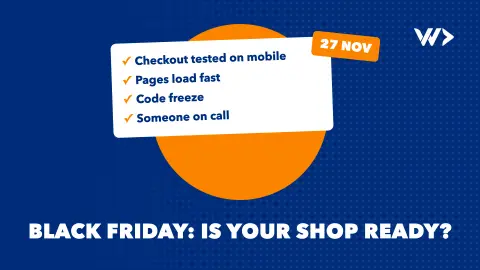
Black Friday Checklist 2026: Is Your Webshop Ready?
Black Friday is 27 November 2026. A week-by-week checklist for Shopify and WooCommerce shops: speed, checkout, stock, code freeze, conversion and backup plans.